Words by Mhairi MannLast updated: July 16, 2026Travel
EuropeSustainabilityThe Future of Travel
Travellers are swapping hotels for serene farm stays, seeking intimate, rustic idylls immersed in nature — with fuss-free locavore dining and a hands-on connection to the land.
Picture the scene: an attentive host drizzles hand-pressed olive oil over a seasonal spread made with ingredients from a nearby organic garden. Meat sizzles on an open grill; you take a sip of local wine from a neighbouring vineyard. Sheep graze somewhere out of sight, and the sun drifts behind endless sweeping hills. Later you retreat to one of just a handful of rooms, to be woken the next morning by nothing more than the birds.
Add in a daily yoga class, a cookery lesson and quietly artisanal interiors, and it is no wonder that agritourism has become a bucolic, intimate alternative to city hotels. Farm stays in 2026 are refined — combining considered interiors with organic food and thoughtful wine lists. Where better to experience farm-to-fork than on the farm itself?
Courtesy of Finca La Donaira, Andalucía, Spain
The rise of agritourism
The global agritourism market has grown quickly over the past decade, and independent analysts expect it to keep climbing well into the latter part of the 2020s. It helps support rural economies by letting farmers diversify — offering guests hospitality alongside a full calendar of activities that might span olive harvesting, cheesemaking or beekeeping.
Its appeal lines up with a broader wish to go off-grid and reconnect with nature, and with a continued interest in hands-on ritual — foraging, pressing, fermenting, picking. The settings help: from remote farmhouses to mountainous ranches, these are some of the most quietly beautiful places to spend a week.
As Claus Sendlinger, founder of the Design Hotels network, is often quoted saying: "The farmhouse is the golf course of the 21st century."
The finest farm stays in Europe
Farm stays in Europe rose to prominence in the seventies, particularly in Spain and Italy — home of the agriturismo movement. A growing scene is now emerging in Greece and Albania, while Slovenia and Portugal quietly run some of the most affordable networks on the continent.
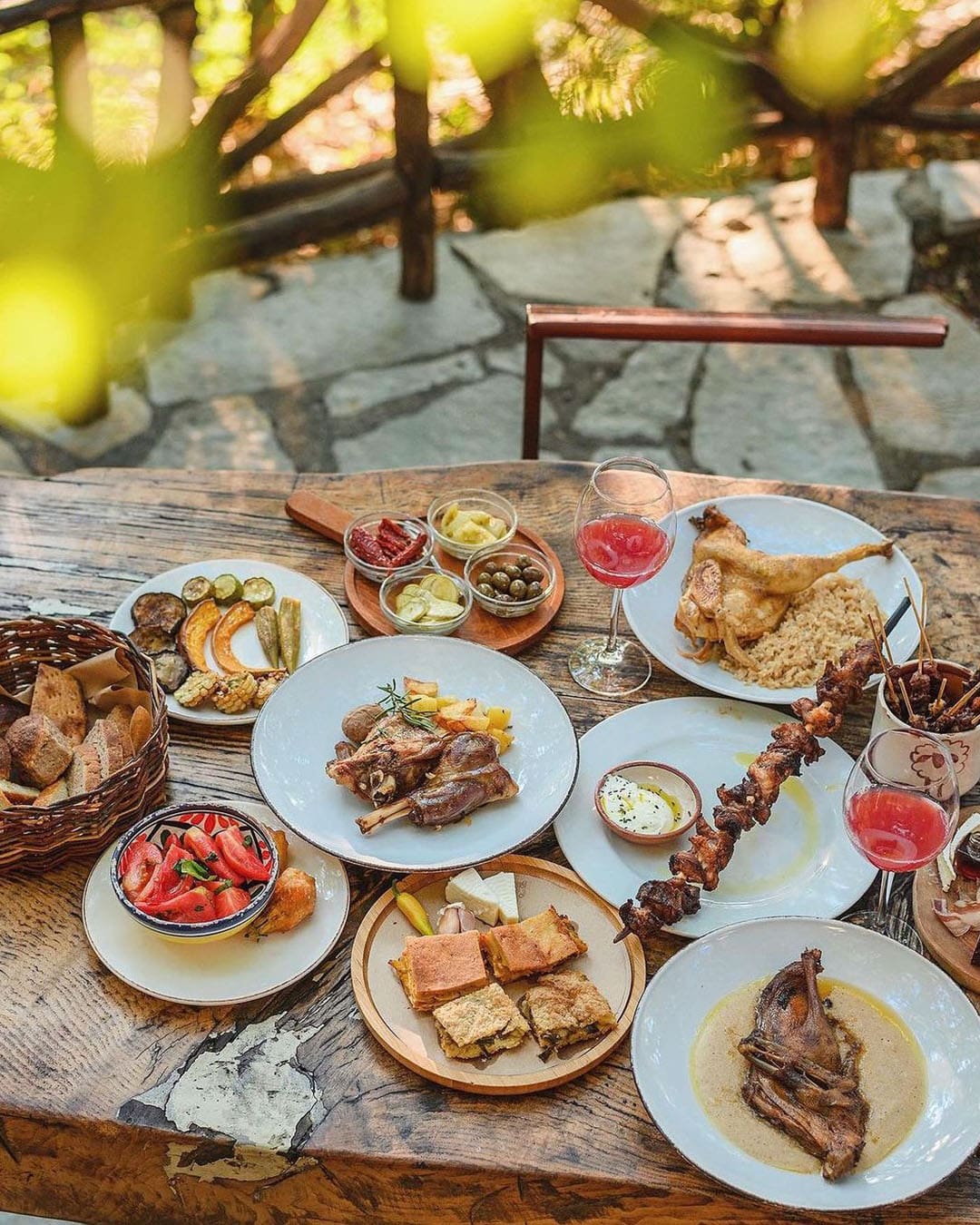
Long-table Albanian spreads at Mrizi i Zanave.
Mrizi i Zanave Agroturizëm
Best for: Great-value feasts and rural Albanian charm
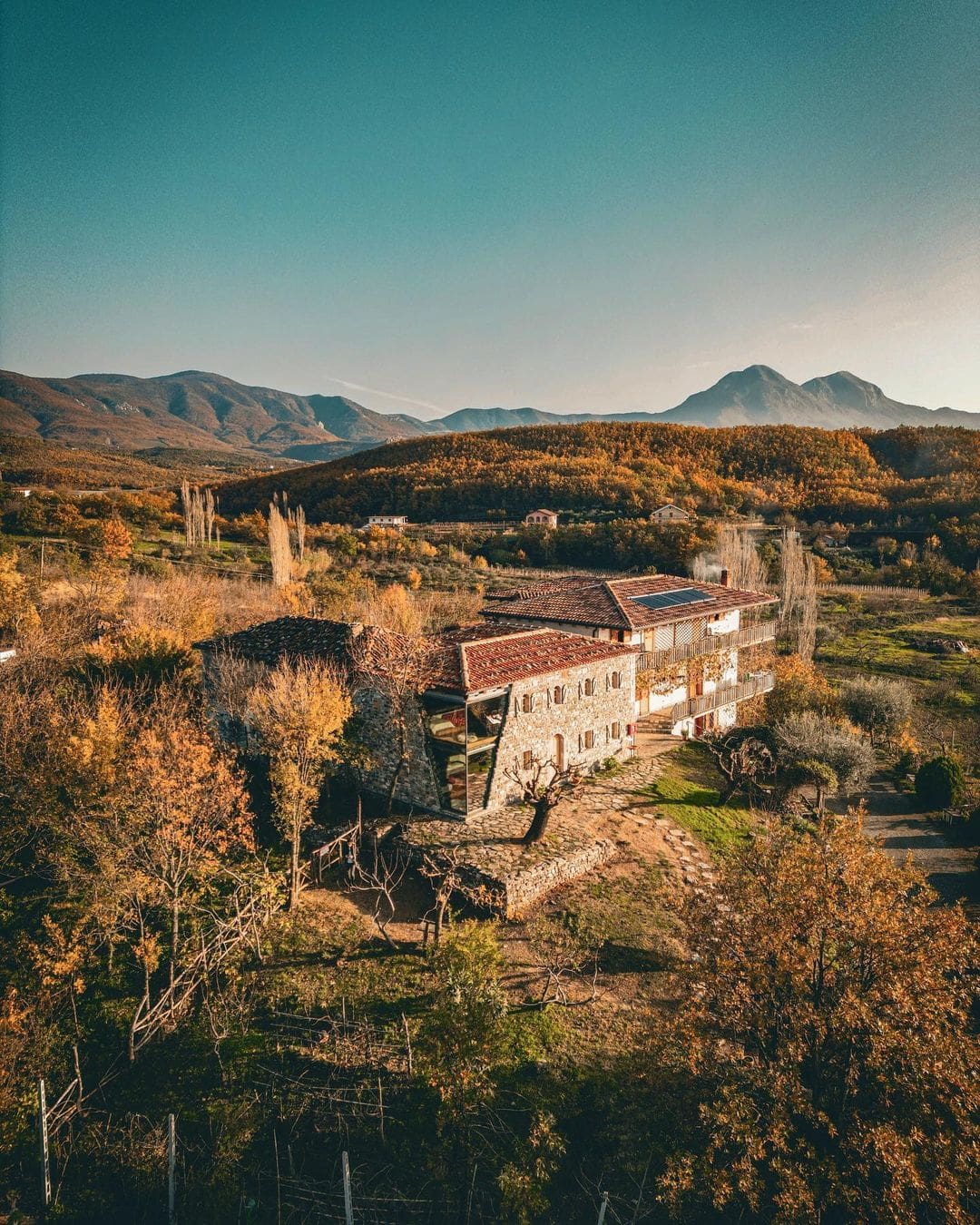
A family-run working farm and small hotel tucked into a village in northern Albania, where warmth and hospitality shape every meal. Glass-walled rooms have been slotted into the original farmhouse, opening onto olive groves where geese wander and workers in traditional dress return from the fields with the day's produce.
There is no menu in the restaurant — the kitchen cooks whatever the land has given up that morning. Expect a table crowded with wild fish, chicken skewers, picked tomatoes and cheeses made on site, usually for well under thirty pounds a head.
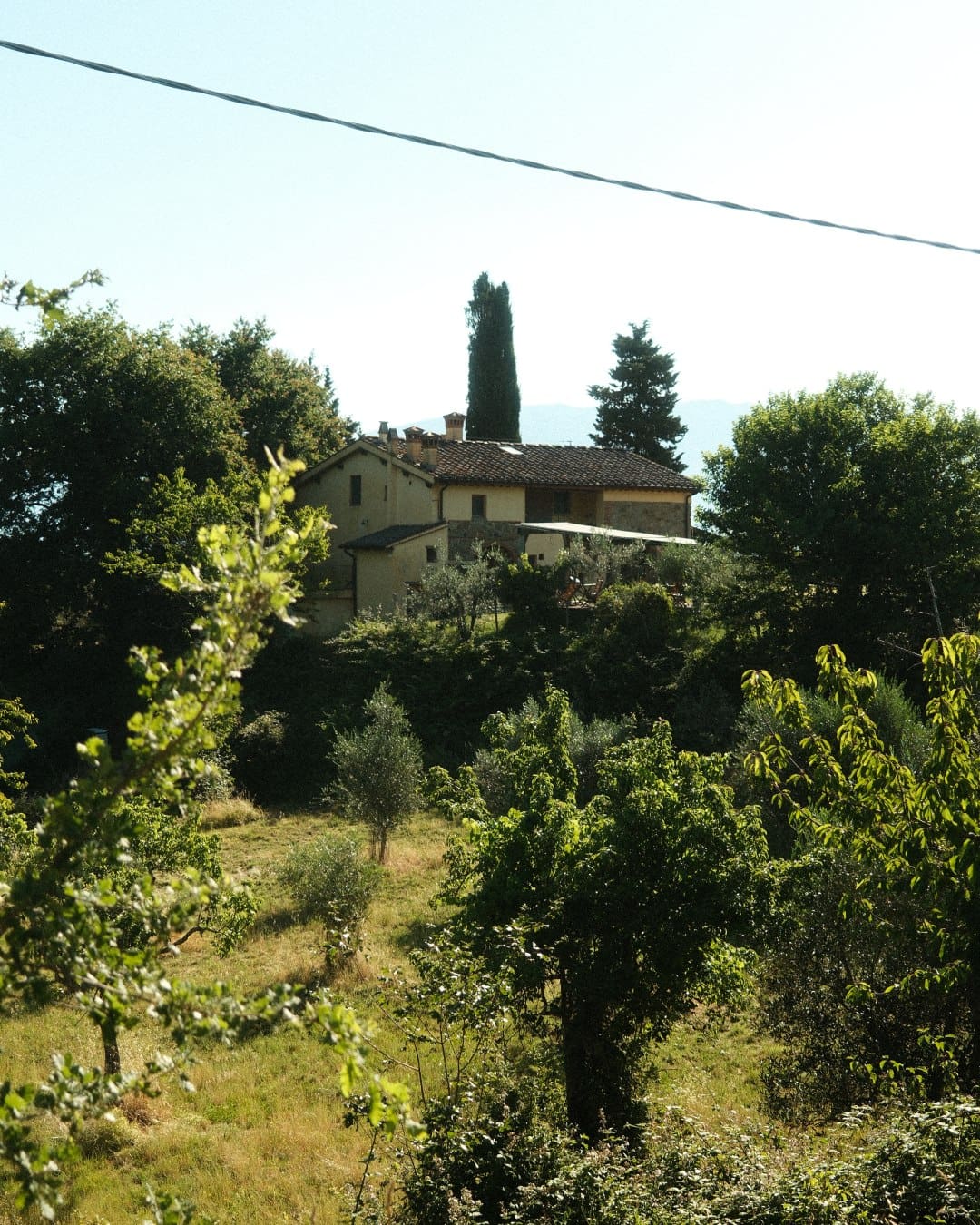
Poderaccio, photographed by Theodore Measures.
Poderaccio
Best for: A quintessential Tuscan agriturismo in the Valdarno hills
Address: Loc. S. Michele 15, 50063 Figline e Incisa Valdarno, Tuscany, Italy
Price: From €70 per night
An 18th-century farmhouse sitting between Chianti and the quieter Valdarno, run by Francesco and Francesca. Rooms carry wrought-iron beds, marble-topped dressers and small kitchens with stone sinks and Bialetti pots. Trails through the olive groves lead back to a plunge pool that catches the late sun.
Meals lean on fresh bread, ricotta from the local shepherd and hand-rolled pasta, poured over with cheap, honest wine from the neighbouring vineyard. Francesca teaches cookery classes; children collect eggs from the coop and befriend the goat. Florence is thirty minutes away by car.
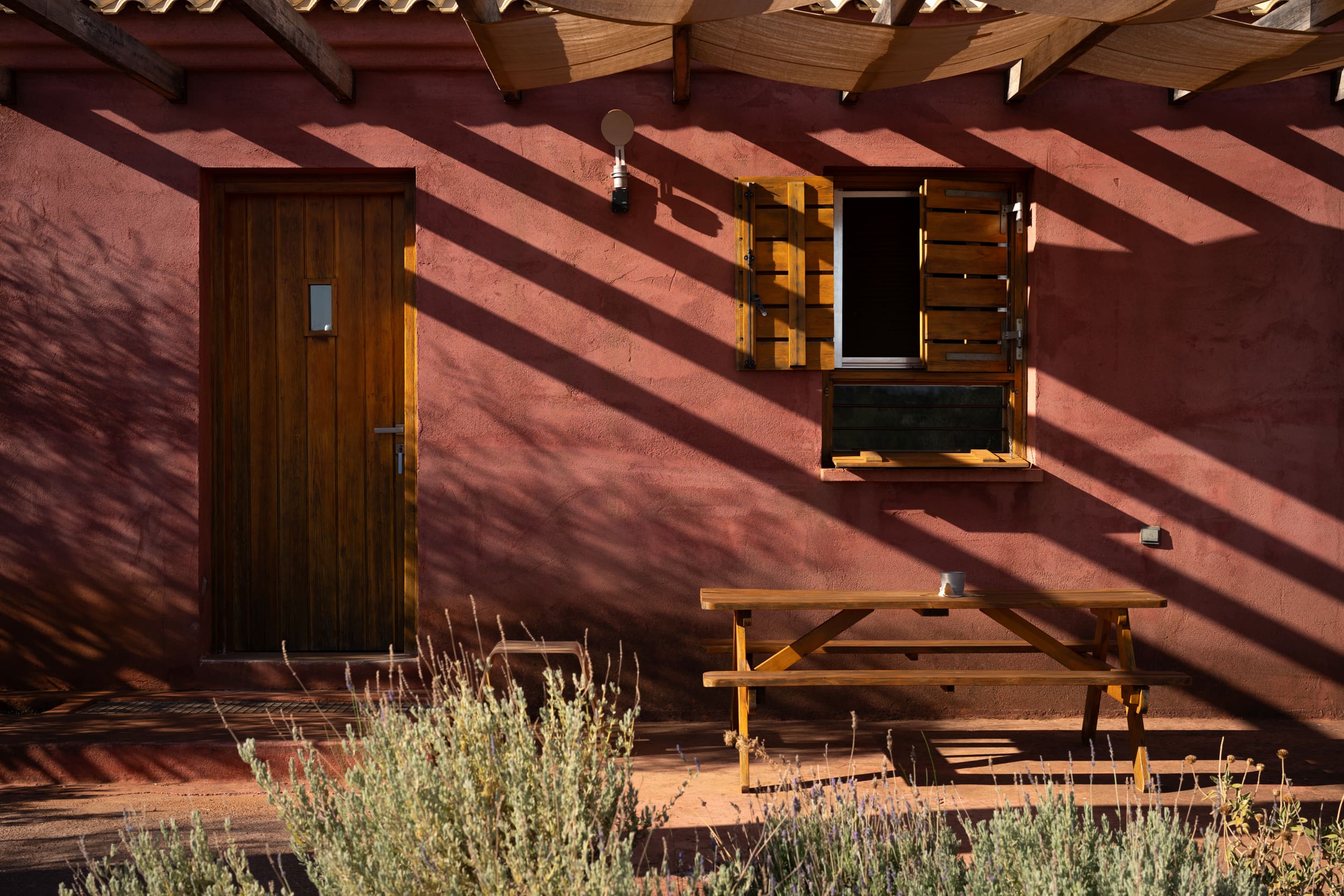
Watermelon-hued walls at Eumelia.
Eumelia Organic Agrotourism Farm
Best for: Vegetarian cooking, natural wine and sustainable design
Address: Gouves, Laconia 230 55, Greece
Price: From €420 per night, two-night minimum
A family-owned regenerative farm and wellness retreat in the southern Peloponnese, widely considered the greenest agritourism in Greece. Eco-houses in bright watermelon tones sit among lavender fields and almond trees, powered by renewables and quietly supported by composting and careful water use.
Days are shaped by olive-picking, cookery classes, yoga and long rides through the hills, or by nothing more than a glass of natural wine made on site. The kitchen is proudly vegetarian, leaning into farm-grown vegetables and traditional Greek flavours. Owners Fragkiskos and Marilena live on the farm with their children and keep small guests busy with the animals.
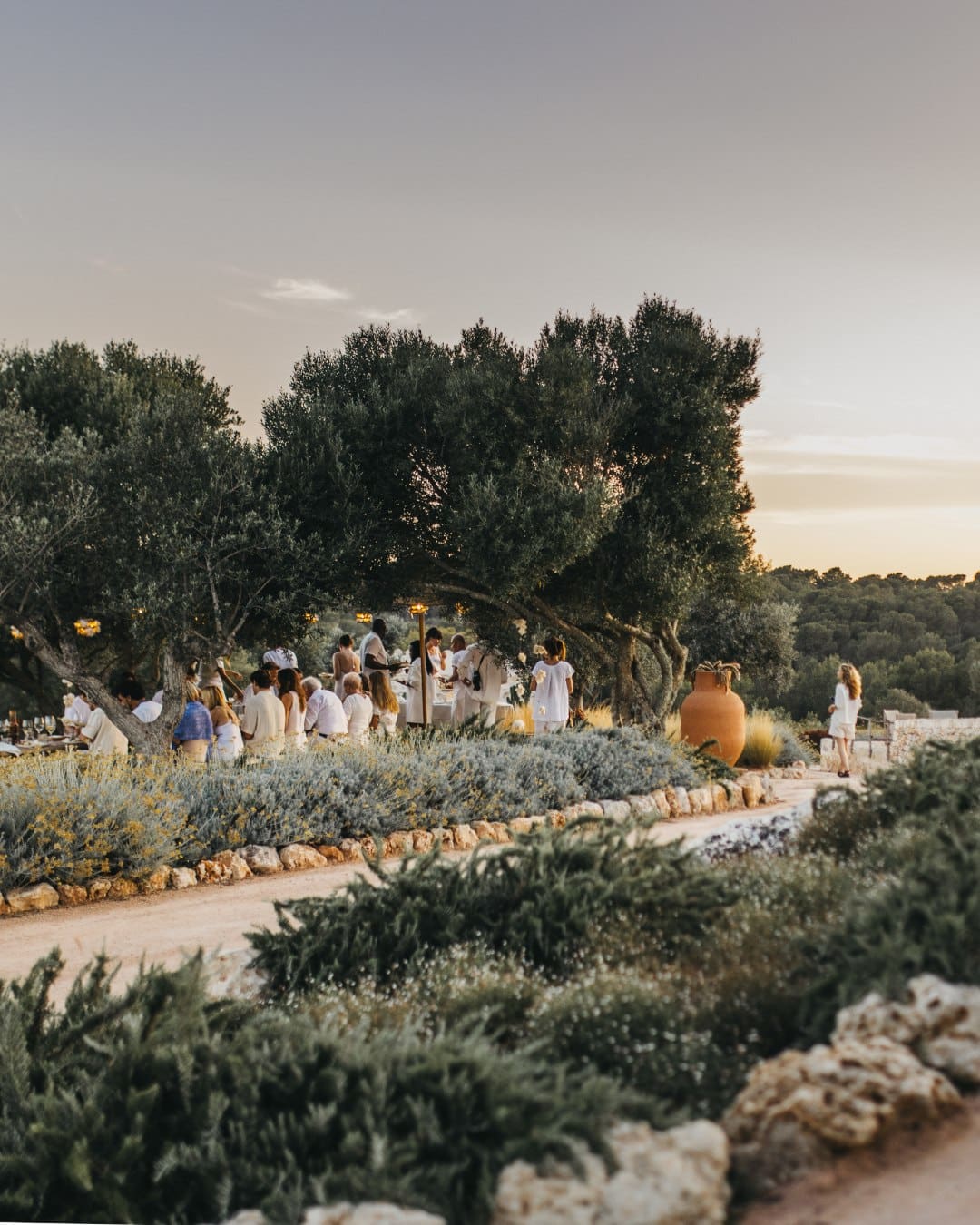
Son Vell is part of the Vestige Collection.
Son Vell
Best for: Slow, luxurious living in an impeccably restored finca
Address: Camí de Son March, 07769 Ciutadella, Menorca, Spain
Price: From €720 per night
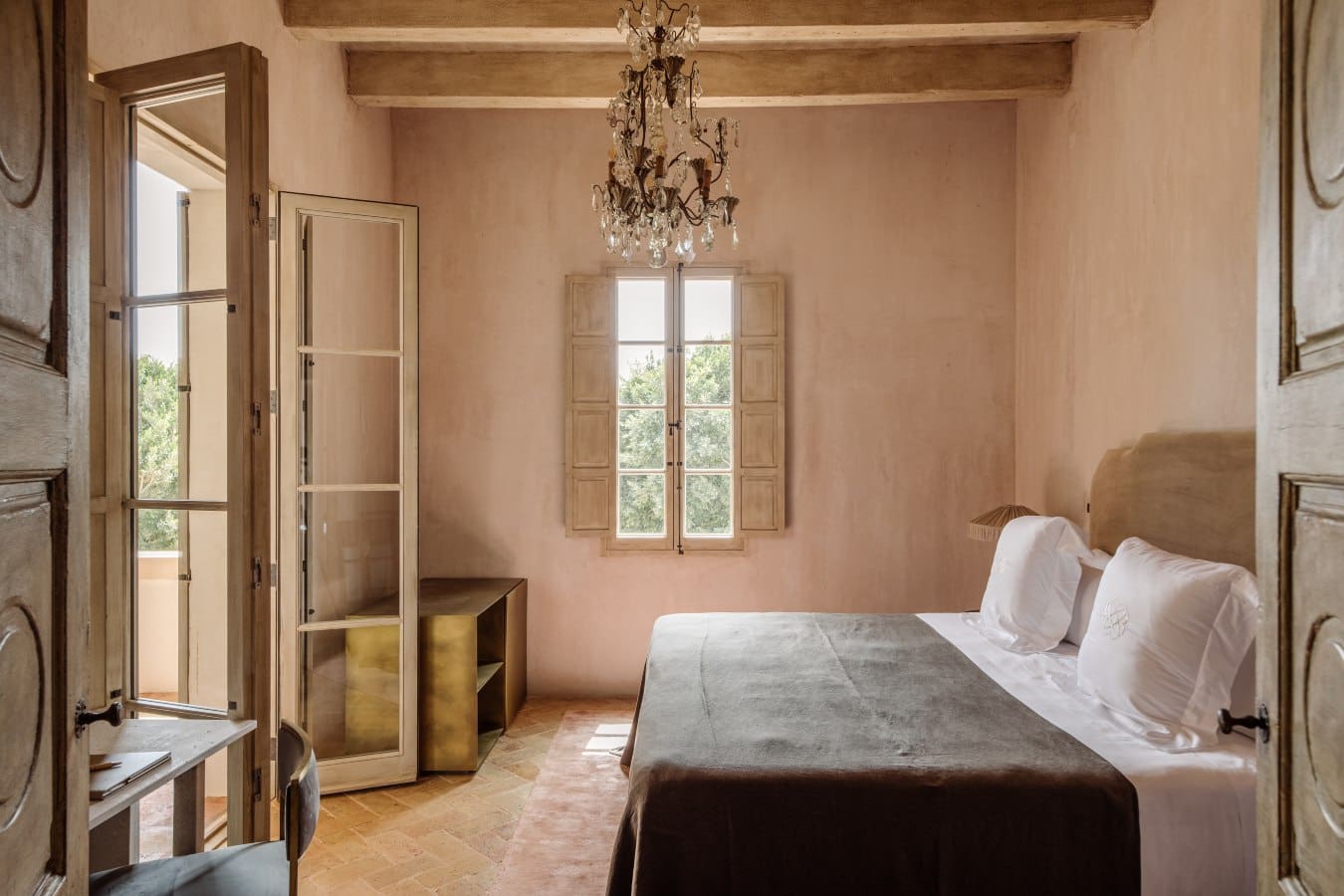
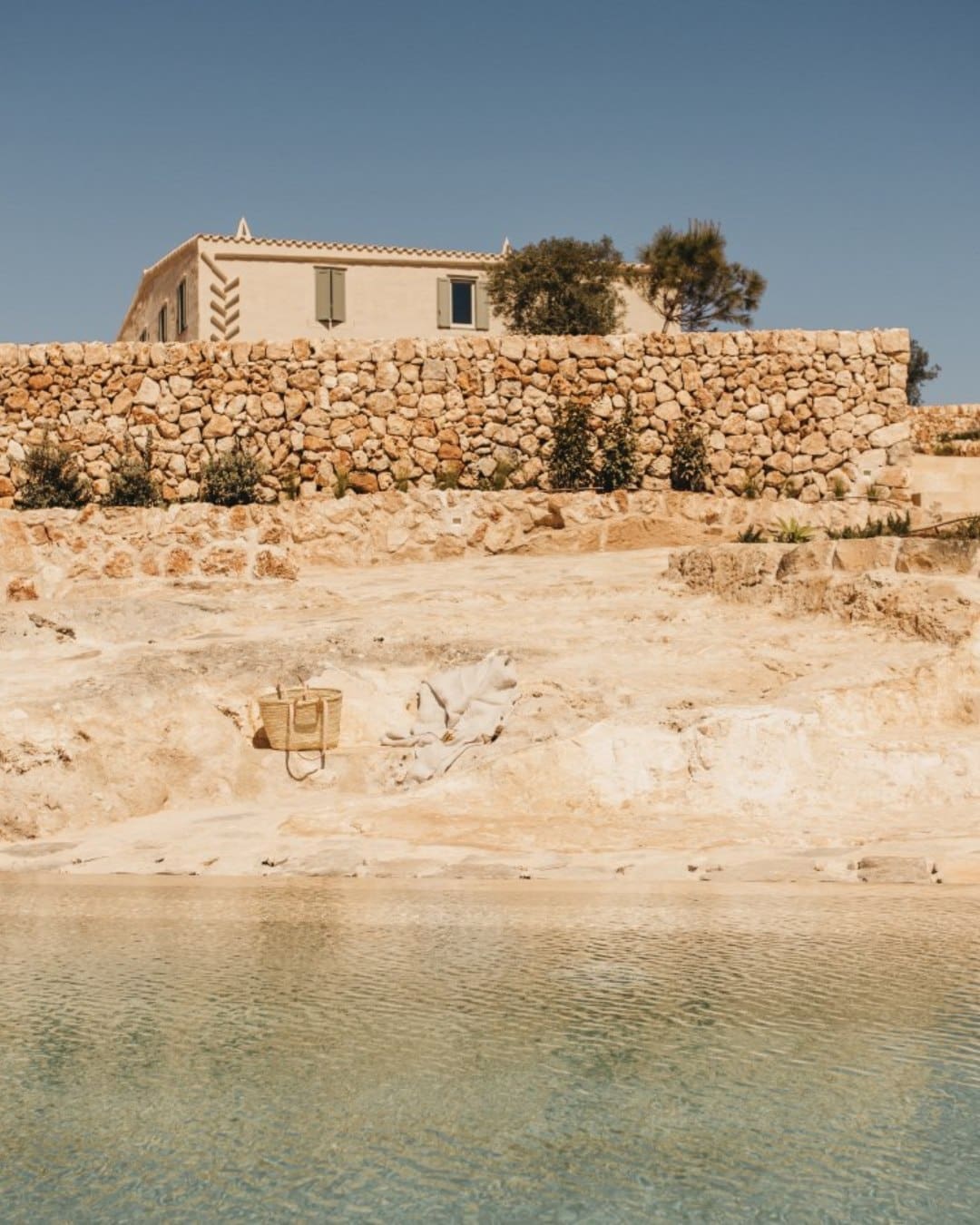
Son Vell sits inside 180 hectares of Menorcan farmland — centuries-old olives, vegetable gardens, grazing cattle. The 18th-century Palladian finca has been restored with an unusually light hand, keeping its bones intact while quietly bringing it into the present.
Thirty-three rooms combine original beams and vaulted ceilings with limewash walls, artisanal furniture and small private gardens. There is a stone-lined lap pool, horses to ride across the fields, and a pebbled cove a short walk away.
Almost everything served at the farm-to-table restaurant Vermell is picked from the estate that same day: suckling pig, salads finished with carrot foam, a house negroni garnished with rosemary from the garden. The mood is unhurried — linen, long lunches, late sundowners.
Son Blanc Farmhouse — photography by Maria Missaglia.
Son Blanc Farmhouse
Best for: A showcase of Menorcan artisanal craft
Address: Camino de Son Blanc, 07730 Torre Soli Nou, Balearic Islands, Spain
Price: From €280 per night (low season)
A hotel and working farmstead between Alaior and Es Migjorn Gran in Menorca, brought back to life over seven years by owners Benedicta Linares Pierce and Benoît Pellegrini. Local craftspeople and indigenous materials — clay, stone, reclaimed wood — set the tone, softened with Spanish textiles and ceramics from Flores Textile Studio in Lisbon.
Fourteen individually designed rooms have vaulted ceilings, private gardens, outdoor tubs and long views across the cacti. A 320-acre farm, medicinal garden and orchard feed the kitchen, where the menu leans plant-forward and shifts with the seasons. A year-round residency programme brings artists, chefs and wellness practitioners in to host workshops.
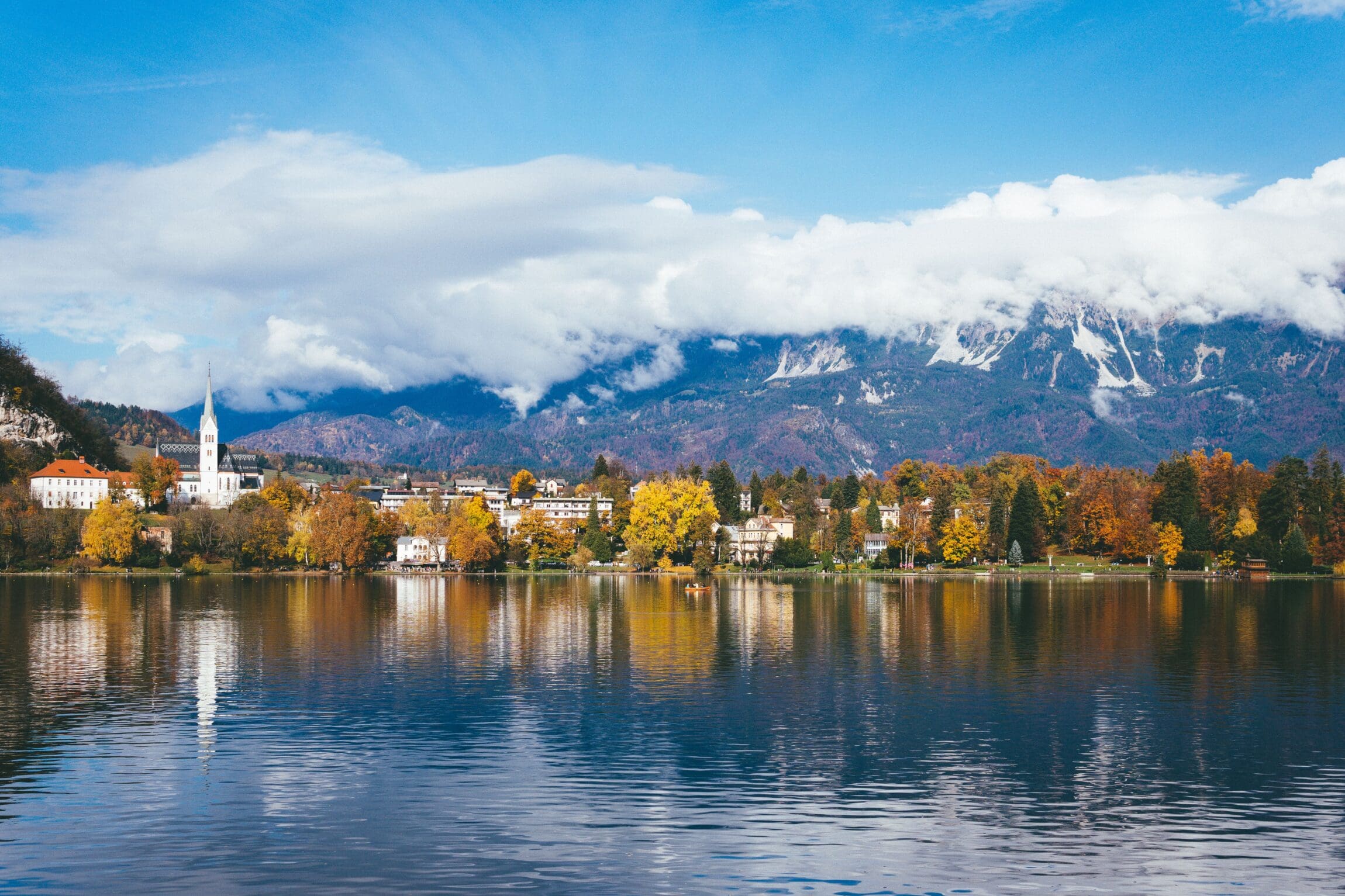
Slovenian pastures. Photograph by George Bakos.
Lešnik Tourist Farm
Best for: Traditional Slovenian homestead with hearty homecooking
Address: Golavabuka 24, 2383 Šmartno pri Slovenj Gradcu, Slovenia
Price: From €30 per night, B&B
Slovenia's mountains, wild water and quiet pastures make it a natural home for the farm stay, and the country runs a good, affordable network of them. Lešnik is one of the best, a short drive from Slovenj Gradec, with a mill, chapel and herb garden wrapped in protected linden trees.
The kitchen leans regional and generous — dumplings, potica nut roll, whatever came out of the garden. The farm mills its own flour and wheat and is otherwise self-sufficient. Guests paraglide in summer, sled and ski when the snow arrives.
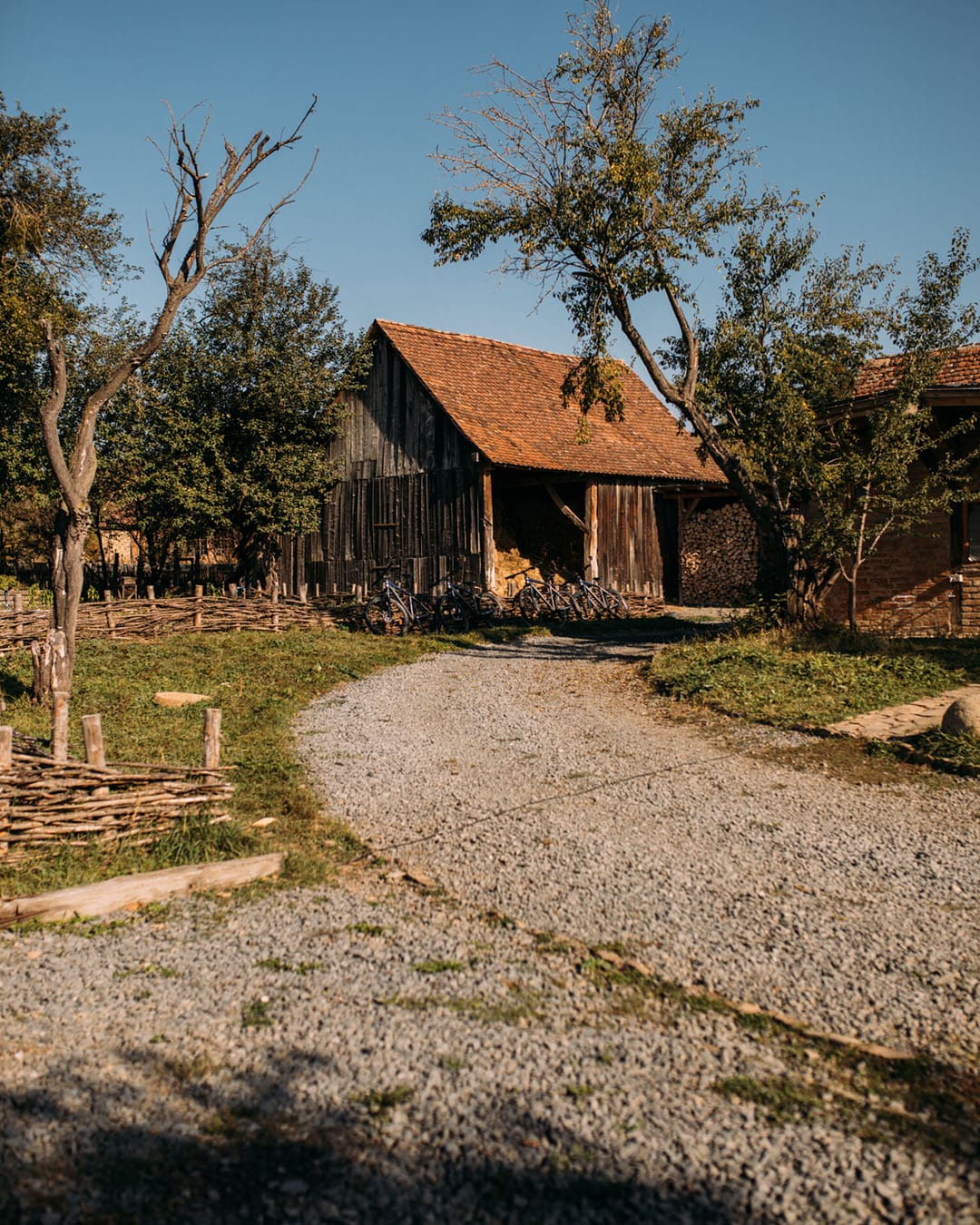
A biodiversity farm with two guesthouses in Transylvania.
Farm and guesthouse, Transylvania
Best for: An insight into Transylvanian rural life
Address: Cobor village, Brasov county, Romania
Price: From €55 per night
A biodiversity farm with two small guesthouses in the folded hills of south-central Transylvania, surrounded by wildflower meadows. Interiors keep the Hungarian and Saxon character intact while adding modern comfort; days are spent on home-cooked meals, hikes, horse-drawn cart rides and long bike loops.
The stay quietly supports one of the largest rewilding projects in Eastern Europe. All profits flow into Foundation Conservation Carpathia's work in the southern Carpathians, building a new, non-destructive economy around the Fagaras Mountains.
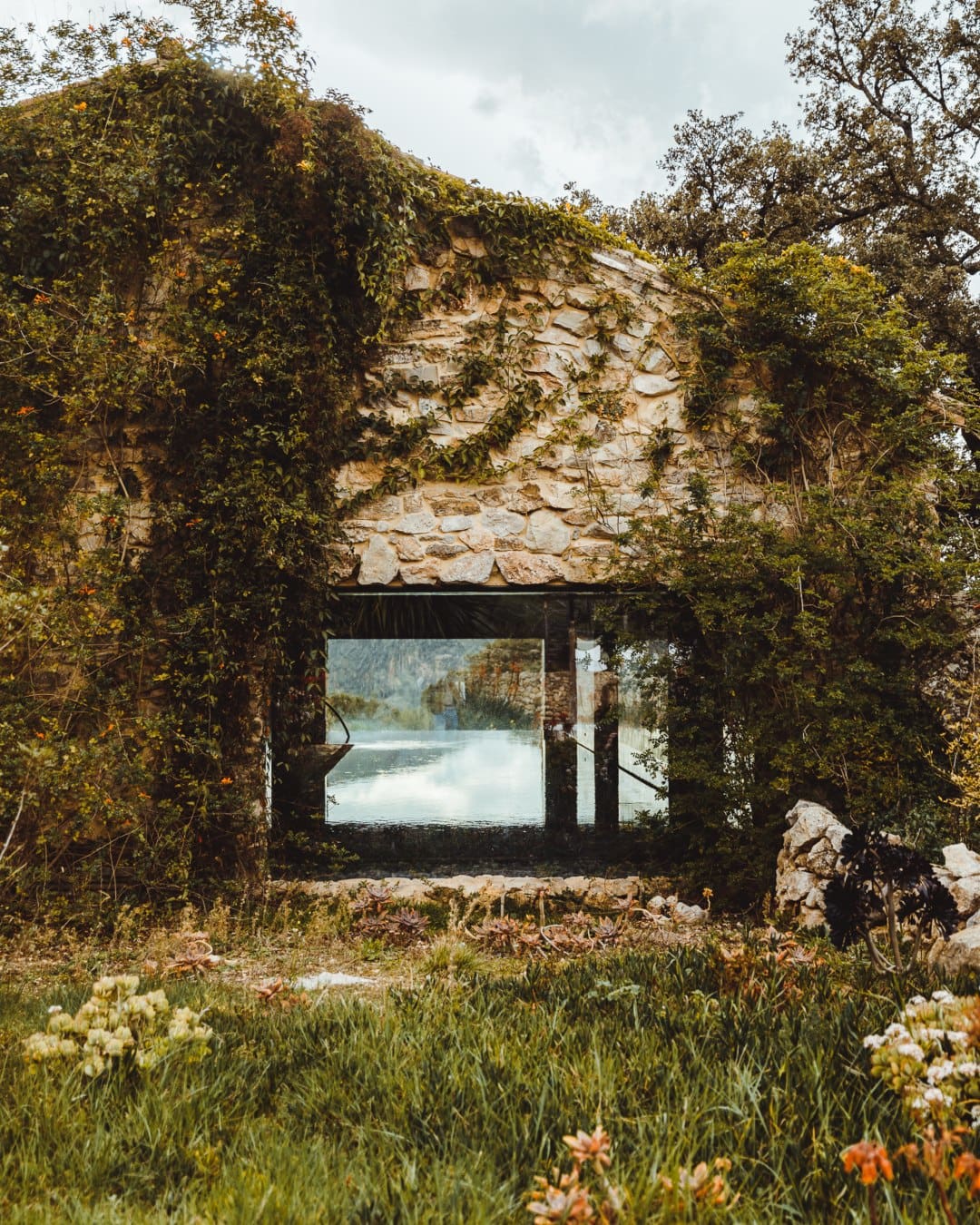
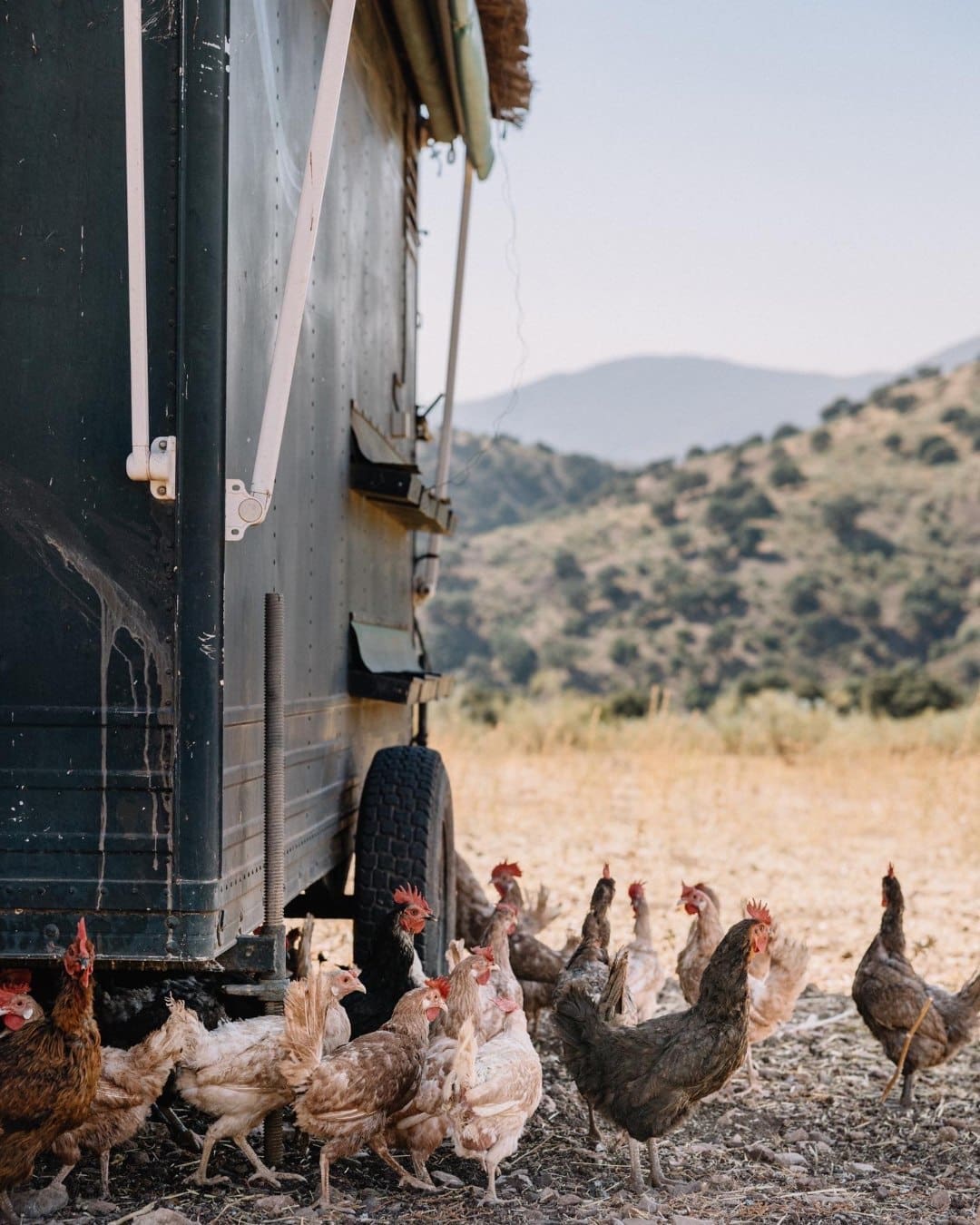
Spa, pool and grazing hens at Finca La Donaira.
Finca La Donaira
Best for: A luxurious Andalusian retreat with a cocooning spa
Address: Camino de las Minas, 29430 Montecorto, Málaga, Spain
Price: From €760 per night, all-inclusive
A rural finca in the hills above Ronda, surrounded by biodynamic farmland, working horse stables and cork oaks. The rooms are quietly sumptuous — antique furniture, hand-loomed textiles, wood-burning stoves — and the whole place runs on solar and its own spring water.
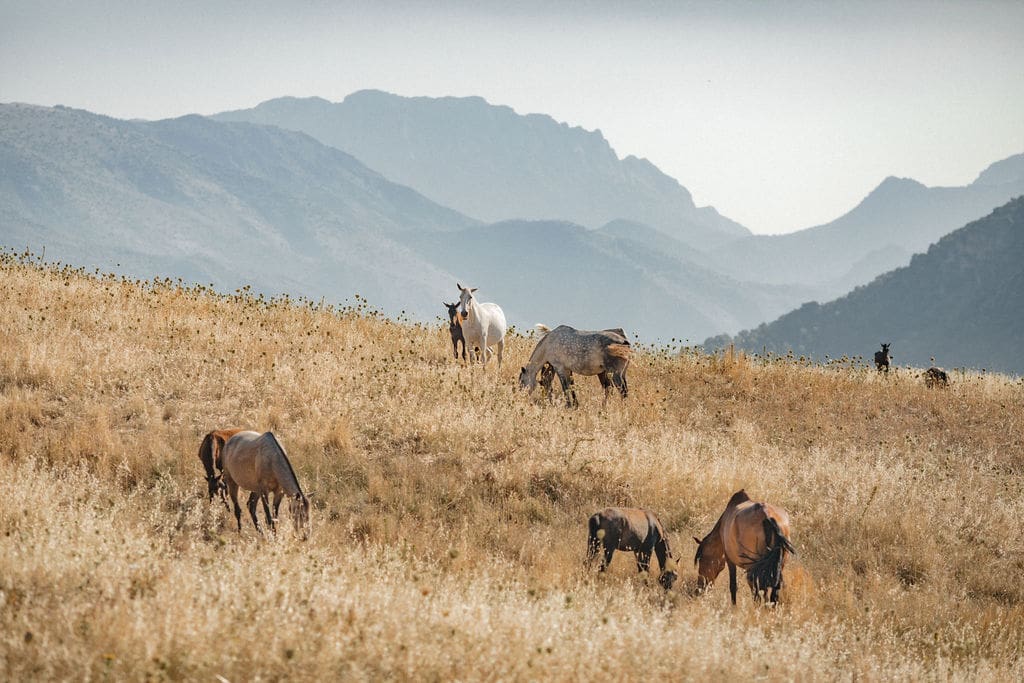
Meals are grown or raised on the estate, from the vegetables in the garden to the cheese and honey. A subterranean spa with a natural pool anchors slow afternoons; mornings often start on horseback, riding out across the Sierra de Grazalema.